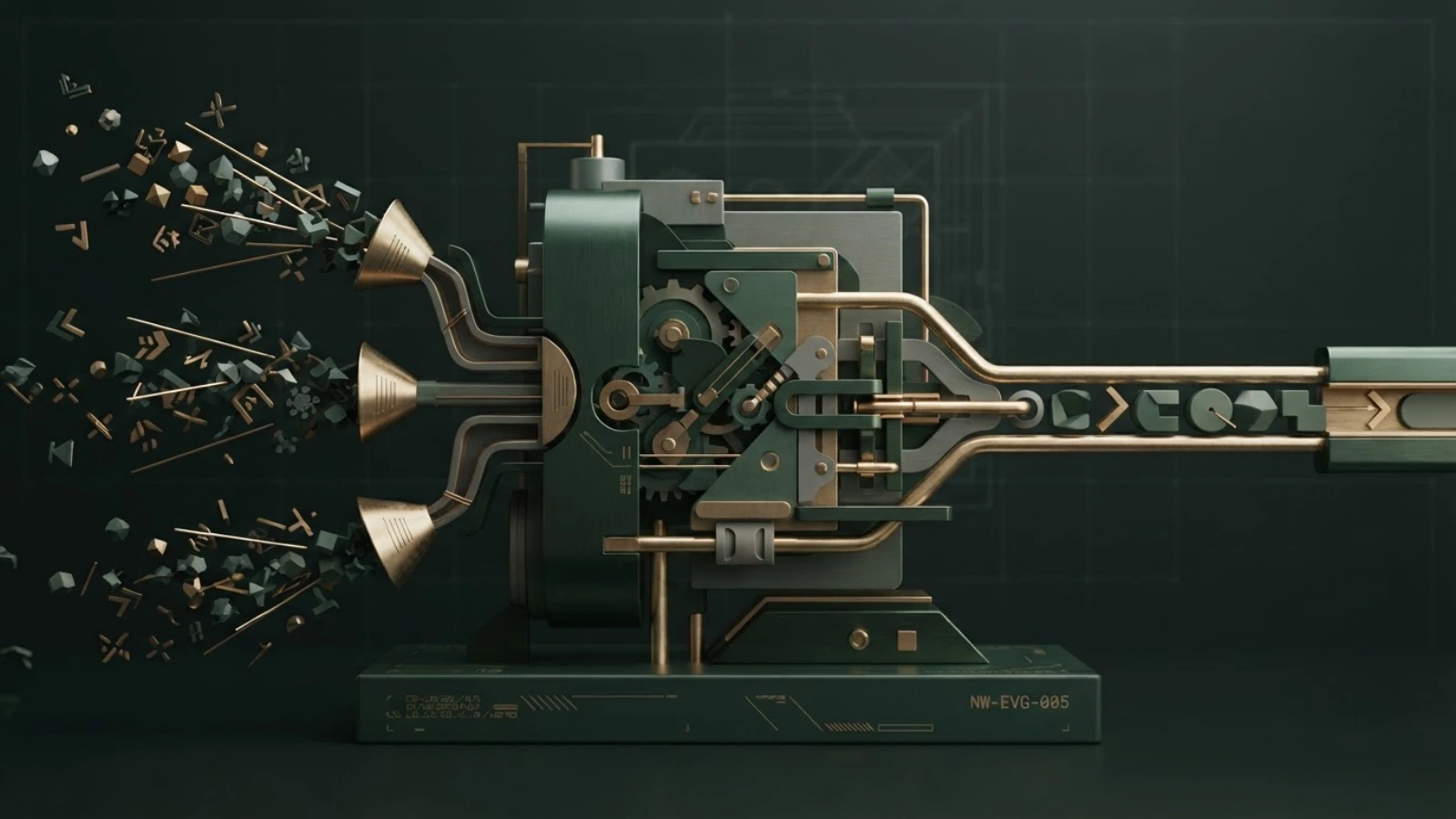
The Friction of Manual Database Maintenance
Maintaining a database requires constant attention. Every new lead form, email signature change, and company restructuring introduces potential errors. When cleanup falls entirely on busy employees, the work is often postponed indefinitely.
This neglect leads to several operational problems that directly impact business performance:
- Sales representatives waste time calling disconnected numbers or sending emails to inactive addresses.
- Marketing campaigns target the wrong segments due to outdated industry tags or missing location data.
- Duplicate records split customer histories, making it difficult to see the full relationship during support calls.
An Intelligent Workflow for Human-Approved Fixes
Artificial intelligence excels at scanning thousands of records to find patterns, anomalies, and missing information. However, giving an automated system direct write access to your primary database can lead to unintended errors.
A practical workflow keeps a human reviewer in the loop. The AI engine analyzes the CRM data in the background, compares it with trusted public sources or email headers, and prepares a list of suggested updates. A team member then reviews these suggestions in a simple dashboard, accepting or rejecting changes with a single click.
This approach combines the speed of automated analysis with the contextual judgment of your staff, ensuring that no critical customer relationship is damaged by an automated mistake.
Defining the Limits of Automation
While AI can draft updates, certain tasks must remain under strict human supervision. Strategic decisions, complex account hierarchies, and sensitive privacy preferences require human understanding.
AI should be treated as an administrative assistant that prepares the work, not as an independent manager of your customer relationships. By setting clear boundaries, you protect your data integrity while saving hours of tedious manual entry.