The Onboarding Gap in Fast-Moving Operations
When a new employee joins, knowledge transfer typically lives in the head of a founder or senior lead. Important steps get skipped simply because nobody documented them during a previous hiring push.
- Account access and software permissions arrive piecemeal over several days.
- First-week priorities remain vague, leaving new hires unsure of immediate goals.
- Role-specific procedures rely entirely on informal shadowing without written reference.
Structuring an AI-Assisted Checklist Workflow
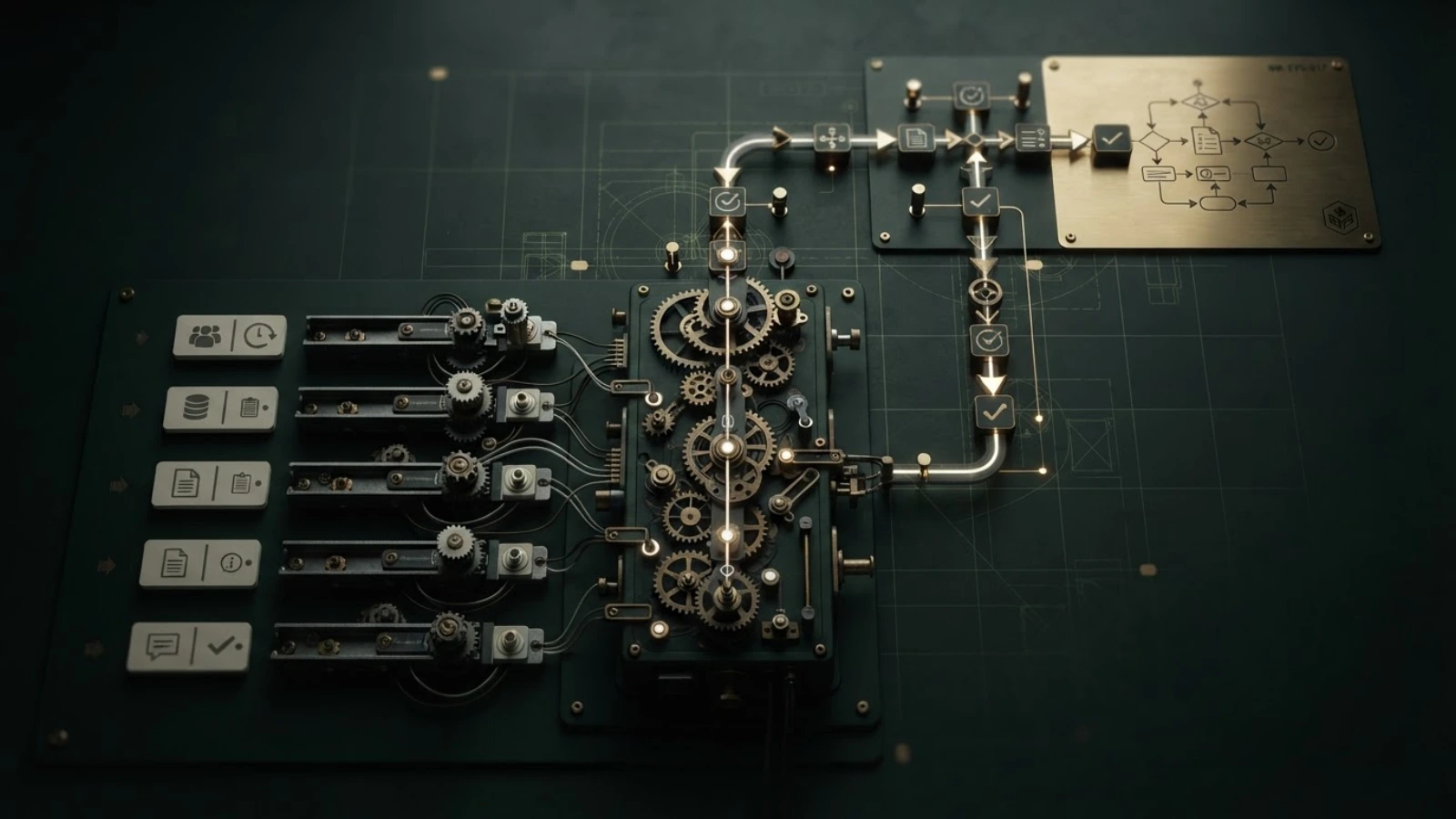
AI models excel at aggregating routine procedures, drafting initial checklists, and outlining multi-phase training schedules. To make these drafts practical, divide the onboarding lifecycle into distinct functional stages.
- Pre-start logistics: Equipment provisioning, account creation, and welcome communications.
- First-week orientation: Core team workflows, tool setups, and initial low-stakes assignments.
- Role-specific skill development: Deep dives into specialized tools, client contexts, and internal standards.
- Check-in milestones: Scheduled operational reviews at days 7, 30, and 60.
Generating an initial outline with AI saves hours of manual drafting, giving managers a solid template to refine before the employee starts.
Where Human Review and Handoff Remain Essential
An AI draft is only an outline. Human oversight ensures that team culture, specific operational nuances, and personal accountability are built into every step.
Every generated checklist must be reviewed by a manager to confirm that access rights are accurate, mentors are explicitly assigned, and deadlines match real capacity. Automated lists should organize the process, but direct managers retain full responsibility for setting expectations and evaluating progress.
Boundaries: What Not to Automate
Technology should reduce administrative friction, not replace interpersonal guidance. Knowing what to keep strictly human keeps the onboarding experience grounded and effective.
- Performance evaluations and personal feedback require direct human conversation.
- Culture, values, and team norms are communicated through direct collaboration, not automated texts.
- Complex dispute resolution and sensitive HR matters must stay fully manual.