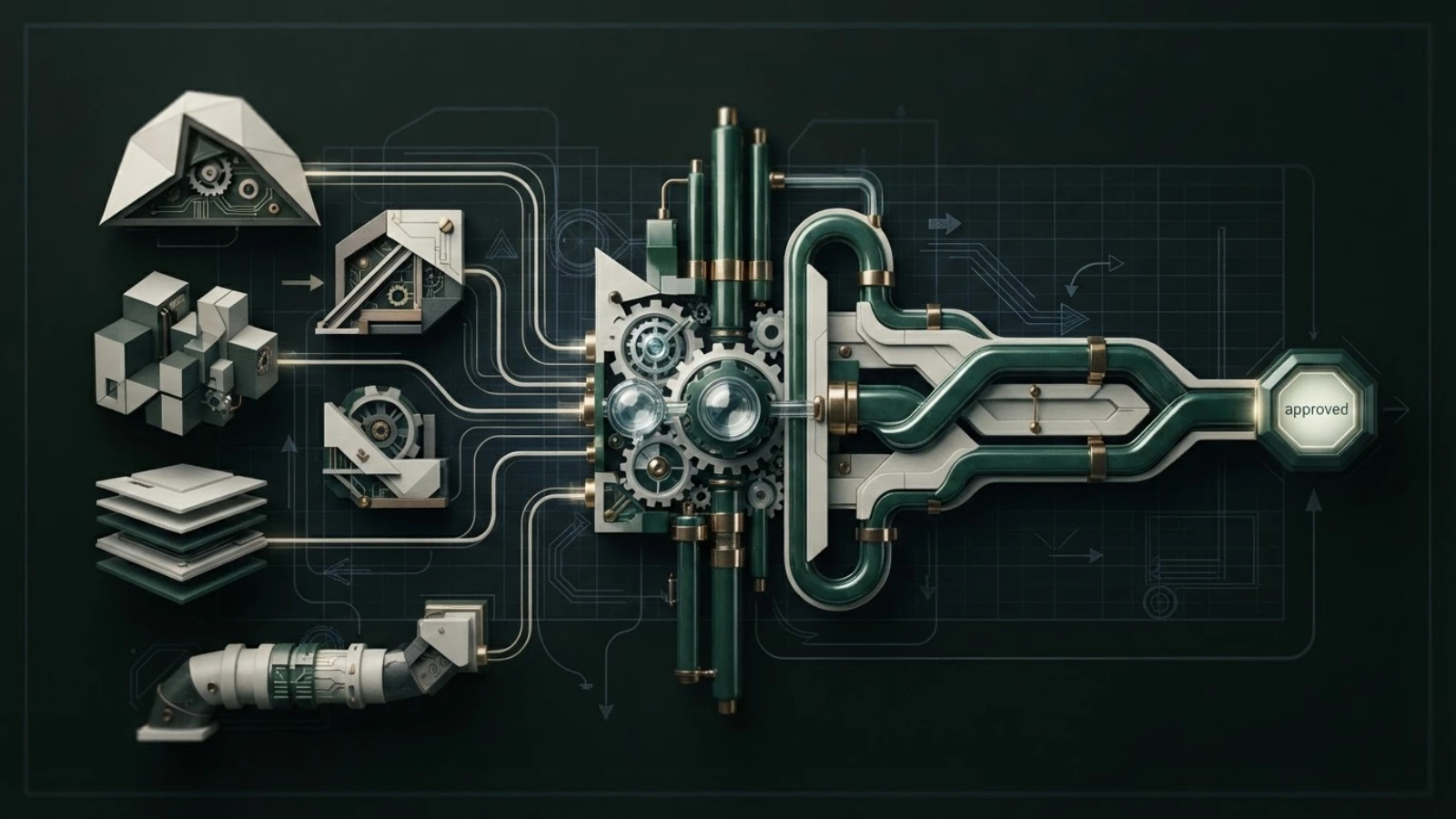
The Disconnect in Post-Proposal Communication
Inconsistent follow-up usually stems from scattered context rather than a lack of effort. Notes remain inside personal notebooks, proposal details sit in email threads, and task reminders are set inconsistently across different software tools.
When follow-ups depend entirely on manual recall, messages tend to be sent late or feel generic. A structured workflow ensures every conversation transitions seamlessly into a planned next step.
Designing a Practical AI-Assisted Follow-Up Sequence
Artificial intelligence helps maintain momentum by organizing interaction details and drafting tailored check-ins. Instead of starting from a blank page, advisors receive pre-formulated suggestions matched to the deal state.
- Trigger creation: Automatically schedule review tasks immediately after sending a quote or ending a call.
- Context aggregation: Pull key scope points, answered questions, and open items into a central summary.
- Draft generation: Prepare specific follow-up text tailored to the client situation within 24 to 48 hours.
Maintaining Human Ownership and Judgment
Automated drafting should never mean fully automated sending. Crucial nuance, relationship history, and strategic timing require deliberate human approval before any message reaches a client.
Assigning explicit ownership ensures that every suggested action is reviewed, personalized, and dispatched by the account owner.
Defining Boundaries for Automation
Certain interactions demand completely manual handling. High-stakes price negotiations, complex legal revisions, and sensitive relationship issues should bypass draft generation entirely.
- Exclude contract disputes or major scope shifts from automated drafting workflows.
- Set realistic time ranges such as 3-5 days for follow-up cycles rather than aggressive daily pushes.
- Rely on professional human judgment to evaluate client sentiment and readiness.